Businesses and consumers are paying closer attention to the impact packaging has on the environment. As plastic waste continues to be a global concern, many industries are adopting materials that support long-term sustainability while still meeting practical packaging needs. Among the available options, jute has become one of the most trusted natural fibers for reusable packaging.
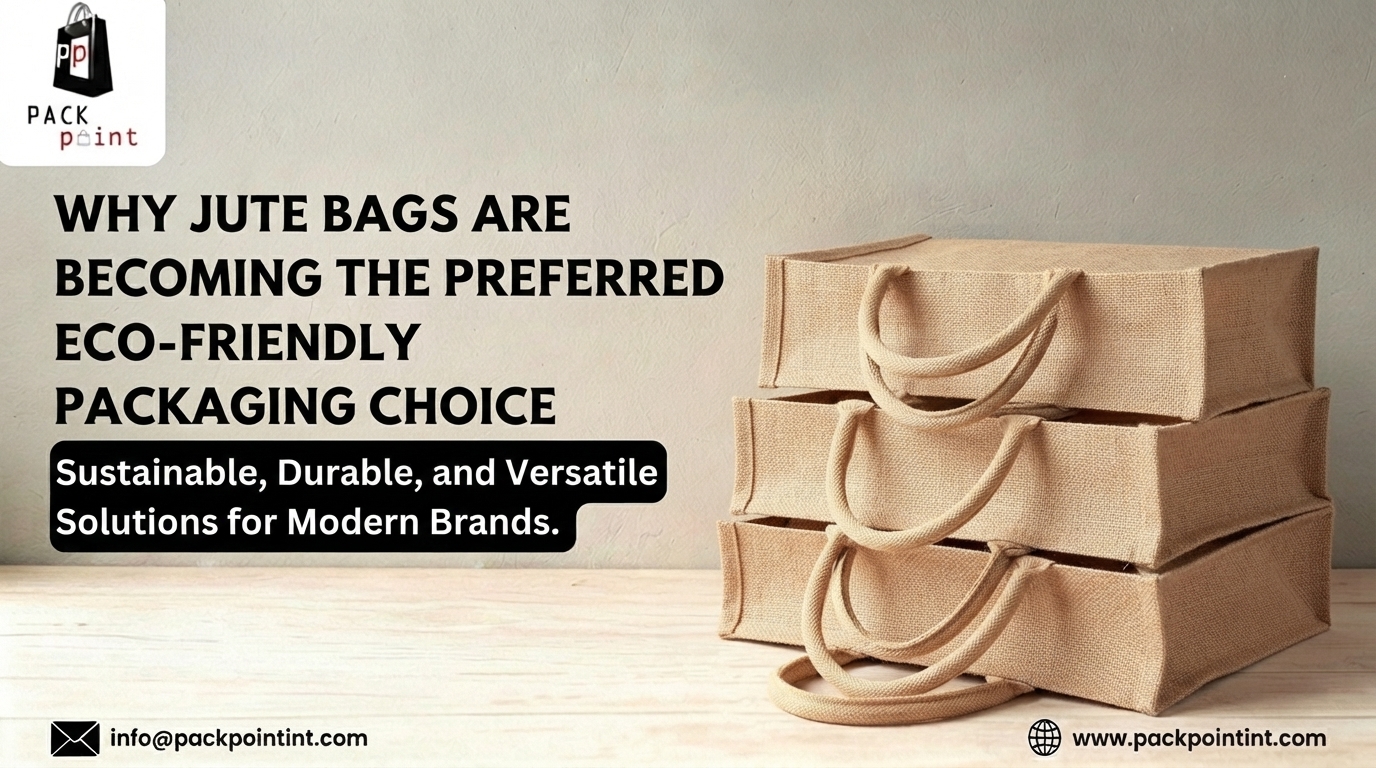
Jute bags combine strength, durability, and visual appeal with environmental benefits. They are suitable for retail, grocery shopping, promotional campaigns, corporate gifting, and product packaging. Their versatility has made them a preferred solution for businesses that want packaging with lasting value instead of single-use alternatives.
Jute is a natural plant fiber known for its durability and renewable nature. Unlike many synthetic materials, it decomposes naturally after disposal while remaining strong enough for repeated use throughout its lifespan.
Businesses also appreciate the professional appearance of jute bags. Their textured finish creates a premium look that works well for retail stores, trade shows, gift packaging, and promotional events.
Key Reasons Businesses Prefer Jute Bags
· Excellent Durability
One of the biggest advantages of jute is its strength. Durable jute bags are designed to carry heavier products without tearing easily, making them suitable for groceries, apparel, books, and promotional materials.
Their long lifespan also means customers continue using them repeatedly, increasing brand exposure for businesses that customize them with logos.
· Environmentally Responsible Material
Jute is a sustainable plant that grows rapidly and needs comparatively fewer resources than various synthetic materials. Since the fiber naturally breaks down after disposal, many companies choose biodegradable jute bags as part of their sustainability initiatives.
Using natural materials also helps reduce dependence on plastic packaging in many industries.
· Supports Repeated Use
Consumers increasingly prefer products that can be used multiple times. Reusable jute bags provide excellent value because they remain functional long after the original purchase or promotional event.
Instead of becoming waste after one use, these bags often become part of everyday shopping and storage routines.
Comparison of Jute Bags and Plastic Bags
Feature
Jute Bags
Plastic Bags
Material
Natural plant fiber
Synthetic petroleum-based material
Reusability
High
Usually limited
Biodegradability
Naturally biodegradable
Can take hundreds of years to break down
Strength
Excellent for repeated use
Often tears under heavy loads
Brand Image
Premium and eco-conscious
Limited sustainability appeal
Top Benefits of Jute Bags Across Different Industries
Jute bags are no longer limited to grocery shopping. Their flexibility makes them useful across multiple business sectors.
· Retail Stores
Retail businesses use jute bags to package clothing, accessories, gifts, and specialty products. Their attractive appearance complements premium product presentation while providing customers with a reusable shopping bag.
· Corporate Promotions
Many organizations distribute branded jute bags during conferences, exhibitions, and promotional campaigns. Their practical value encourages continued use, helping companies maintain long-term brand visibility.
· Food and Grocery Markets
Jute bags work well for carrying groceries and fresh produce because they offer strength and breathability. Their sturdy handles also make them comfortable for everyday shopping.
Benefits of Using Jute Bags for Sustainability
· Reduced Plastic Waste
Replacing disposable plastic bags with reusable alternatives helps reduce waste generation. Businesses adopting sustainable packaging bags contribute to broader environmental efforts while offering customers practical products they can continue using.
· Renewable Natural Fiber
Jute is harvested from plants that regenerate each growing season. This renewable supply supports long-term production without relying on petroleum-based materials.
· Longer Product Life
Products that last longer require fewer replacements. The durability of jute reduces overall consumption compared to disposable packaging options.
Advantages of Branding
Packaging often serves as a marketing tool. A well-designed jute bag continues promoting a business every time it is reused.
Large printable surfaces allow businesses to showcase logos, slogans, and artwork with excellent visibility. As a trusted tote bag manufacturer, Pack Point International helps brands incorporate high-quality jute bags into their packaging and promotional strategies, creating practical products that deliver long-lasting brand exposure.
Factors to Consider Before Choosing Jute Bags
· Product Weight
Jute is an excellent choice for products that require strong carrying capacity. Businesses should select bag sizes based on expected product weight and dimensions.
· Printing Requirements
Jute supports several printing methods, making it suitable for customized branding. Simple designs often create the most attractive appearance on textured natural fibers.
· Target Audience
Understanding customer preferences helps determine the most appropriate packaging solution. Environmentally conscious customers often appreciate natural fiber products that can be reused repeatedly.
· Budget and Order Volume
Businesses purchasing in larger quantities often benefit from cost efficiencies. Many suppliers provide wholesale options that help brands maintain consistent quality while managing packaging expenses.
Growing Consumer Preference
Consumer buying habits continue to change as sustainability becomes a larger consideration. Many shoppers actively choose brands that reduce waste and use environmentally responsible packaging materials.
The growing popularity of eco-friendly jute bags reflects this shift. Customers appreciate products that combine practical performance with responsible material choices, making jute an attractive option across many industries.
Jute bags are produced from a sustainable plant fiber that can be renewed and is biodegradable. They can be reused many times, helping reduce reliance on single-use plastic bags while supporting more sustainable packaging practices.
Jute bags are widely used in retail, grocery, fashion, corporate gifting, trade shows, food packaging, agriculture, and promotional marketing. Their durability and attractive appearance make them suitable for many different business applications.
Yes. Jute bags are known for their strong fibers and sturdy construction, allowing them to carry groceries, books, bottles, clothing, and other heavier items while maintaining their shape through repeated use.
Yes. Jute bags can be customized using printing or embroidery to display company logos, brand messages, or promotional designs. This makes them an excellent choice for marketing campaigns and branded packaging.
Large purchases typically lower the price per bag while maintaining uniform quality and brand identity across all items. Ordering larger quantities also helps businesses maintain inventory for retail sales, events, promotions, and corporate gifting.
Conclusion
Jute bags have become a preferred eco-friendly packaging choice because they combine durability, reusability, and environmental responsibility. Their natural appearance, strong construction, and long service life make them suitable for retail packaging, promotional campaigns, grocery shopping, and corporate branding.
As businesses continue adopting sustainable practices, jute bags offer a practical solution that supports both operational needs and customer expectations. Choosing reusable natural fiber packaging helps reduce waste while providing lasting value for brands and consumers alike.
Looking for reliable wholesale jute bags? Check out Pack Point International’s durable, customizable jute bags designed to support retail, promotional, and packaging needs with consistent quality.
Gohar Gulzar brings extensive experience in marketing and a deep passion for branding content that resonates with the public. With a proven track record across diverse campaigns, Gohar excels at crafting compelling narratives, developing cohesive brand voices, and aligning messaging with audience needs.