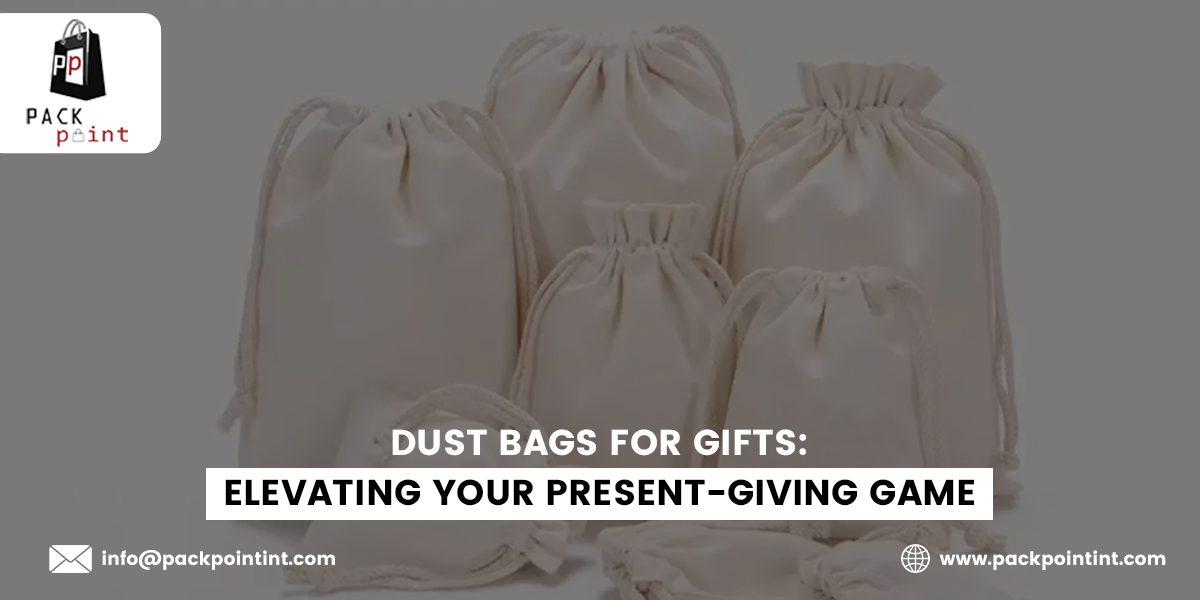
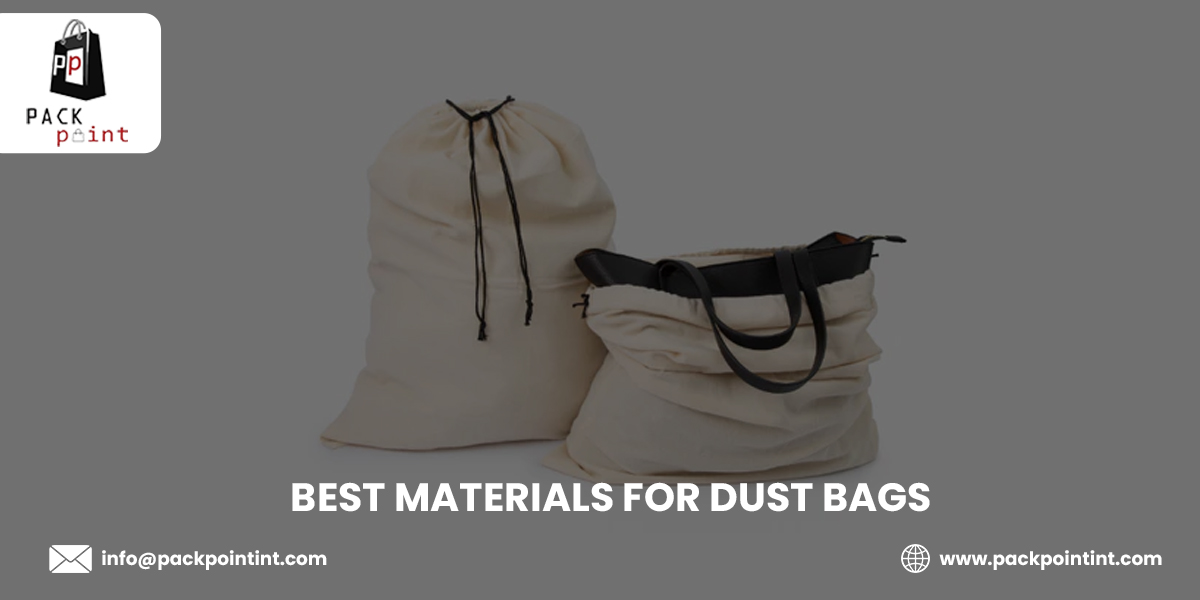
Every well-crafted bag, pair of shoes, or garment deserves the same care in storage as it receives in daily use. That’s where dust bags come in; they’re more than just simple covers. The material of a dust bag directly determines how well your valuables stay clean, dry, and intact over time. A poor fabric choice can trap moisture, cause color transfer, or even scratch delicate surfaces. The best dust bag should balance breathability with durability, offering gentle protection without suffocating the item inside. Materials like cotton, muslin, and microfiber have become go-to choices because they’re soft, washable, and effective at blocking dust. However, not every material suits every need.
In this guide, we’ll walk through what makes certain fabrics stand out and compare options side by side. We will also share practical care tips so you can confidently select the best fabric dust bags for your home, travel, or business storage needs!
Why Material Choice Matters for Dust Bags
Dust bags protect items from dust, accidental scuffs, and light exposure while stored. The fabric determines how much moisture the bag traps or releases, how soft the surface is against delicate finishes, and how durable the bag will be over repeated use. The right material prevents mildew, preserves hardware, and reduces the chance of dye transfer or lint sticking to stored items.
If you need a premium dust bag material, prioritise tight weave, softness, and durability. Linen blends and high-thread-count cotton provide a refined appearance and performance. For branded packaging and retail presentation, select fabrics that support printing and embellishment while maintaining protective qualities.
What to Consider When Choosing a Dust Bag Material
· Breathability Versus Barrier Protection
Breathable fabrics prevent moisture buildup and mildew, and allow air to circulate. Barrier-focused materials, on the other hand, provide stronger protection against spills or external dirt but can trap humidity if sealed too tightly.
· Durability and Abrasion Resistance
A sturdy dust bag resists tearing and wear during handling. Durable fabrics like canvas or microfiber ensure your items stay safe over repeated use or long-term storage.
· Lint and Dye Transfer Risk
Low-lint fabrics like microfiber and tightly woven cotton prevent fibers from clinging to delicate surfaces. Always prewash colored materials to reduce the chance of dye transfer onto light-colored items.
· Weight and Drape for Garments and Soft Goods
Lightweight materials drape easily and suit garments or handbags. Heavier fabrics offer more structure and protection for boots, coats, or hard-edged accessories. When deciding between a nylon vs cotton dust bag, consider nylon for lightweight water resistance and cotton for airflow and a gentle touch.
· Ease of Cleaning and Care Instructions
Select materials that are simple to wash and maintain their shape after cleaning. Polyester and cotton are easy to care for, while silk and linen may need gentler handling.
· Environmental Impact and Recyclability
Eco-conscious buyers often prefer organic cotton, bamboo, or Tencel. Synthetic materials may not biodegrade easily but can last longer, reducing replacement frequency.
· Cost and Availability
Common options like cotton and non-woven polypropylene are affordable and widely available. Premium fabrics such as linen or silk tend to cost more due to production and care requirements.
· Aesthetic and Branding Potential
The texture and color of your fabric affect how your dust bag looks and feels. Smooth surfaces like polyester are ideal for logo printing, while natural weaves give a more organic, upscale look.
For a reliable supply, buy bulk dust bags available at Pack Point International to meet storage and retail needs.
Material-By-Material Comparison
Cotton / Muslin
Cotton and muslin offer breathability and a gentle surface that reduces abrasion. Tightly woven cotton resists lint and washes well. Cotton absorbs moisture, so add a desiccant when storing leather or suede. For everyday storage and frequent reuse, this remains one of the most practical choices. When deciding between a nylon vs cotton dust bag, consider nylon for lightweight water resistance and cotton for airflow and a gentle touch.
Linen
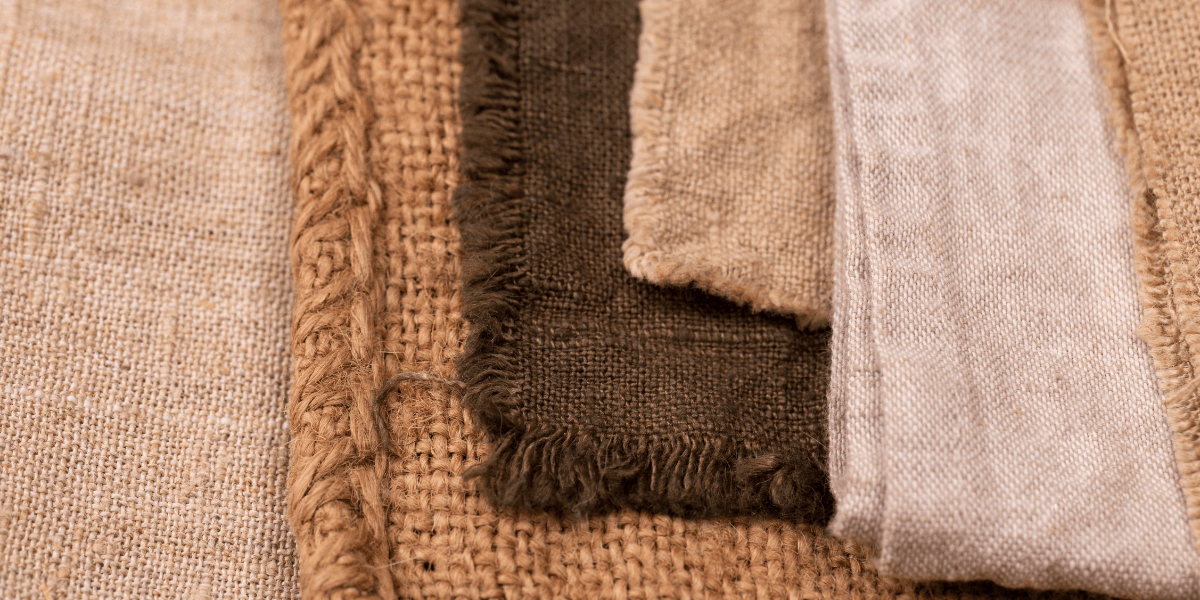
Linen is strong and breathable with a refined texture that suits premium garments. It tends to wrinkle and usually costs more than simple cotton. Use linen for luxury storage where appearance matters and rotate items periodically to avoid permanent creases.
Canvas (Heavy Cotton)
A canvas dust bag provides robust protection for heavy or bulky items such as boots and equipment. The dense weave stands up to wear and holds shape during handling. Canvas has less airflow than muslin, so add moisture control for long-term storage.
Non-Woven Polypropylene
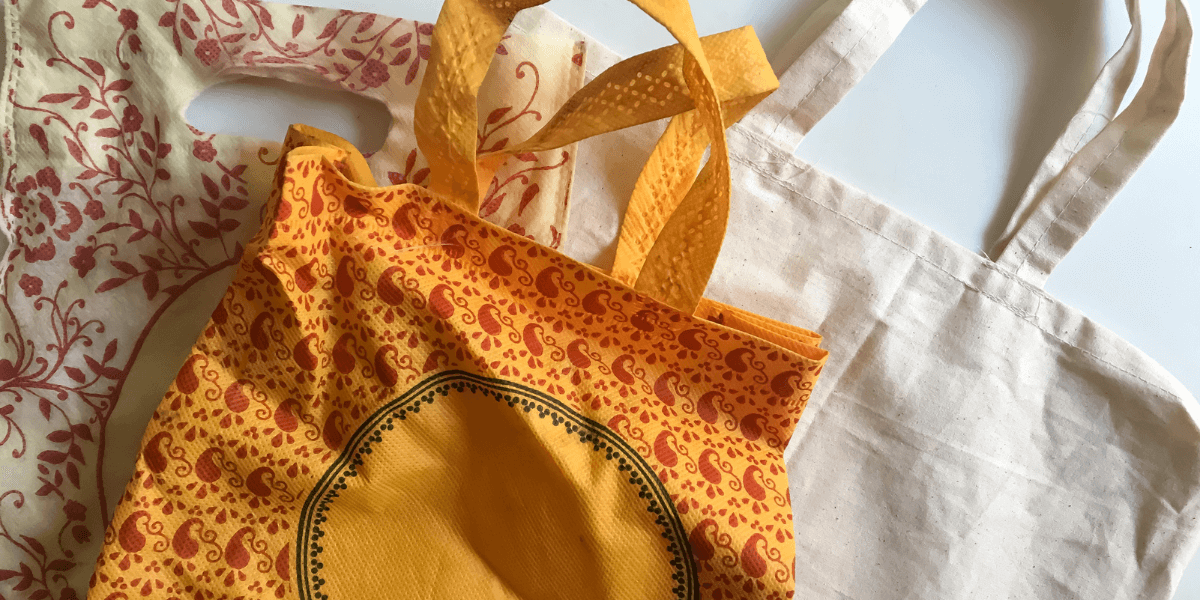
Non-woven polypropylene is a cost-effective option used widely in retail packaging. It offers lightweight, water-resistant protection but has limited breathability. This material works well for short-term shipping protection and budget-conscious covers.
Polyester / Microfiber
Microfiber and polyester produce a smooth, lint-free surface that reduces friction against delicate finishes. These synthetics resist minor staining but can trap heat and moisture. For sensitive items, include desiccant packets when using microfiber bags.
Silk (Or Silk Blends)
Silk provides a soft interior that minimizes abrasion on fine fabrics and hardware. It reads as luxurious and suits high-end accessories such as silk scarves and couture pieces. Silk requires delicate care and careful storage to avoid damage.
Bamboo / Tencel
Bamboo and Tencel are soft, breathable, and attract attention for their sustainability credentials. These fibers feel gentle against the skin and fabric. Care instructions vary by supplier, so check washing guidance and consider potential shrinkage before full use.
Conclusion
Choosing the best materials for dust bags depends on what you need to protect. Prioritize breathability for leather and soft fabrics. Choose dense weaves for heavy items that require stronger protection. Match care routines to the fiber and inspect stored pieces periodically. A thoughtful fabric choice preserves appearance and extends the life of shoes, handbags, and garments.
If your business needs personalized solutions, Pack Point International offers options to suit varying performance and budget goals. Learn about custom bags for business by contacting us for design and production assistance.