Do you want to launch a high-quality cosmetic bag for your brand but don’t know where to start? Well, you may need to consider the material it would be made from, first and foremost. After all, the look, feel, and durability of your cosmetic bag are completely dependent on the material it is made from.
Of course, it is not as easy as it sounds, and there are numerous factors you will have to consider. Understanding the different materials available can help you make the right choice whether you’re looking for durability, ease of cleaning, or aesthetic appeal.
In this blog, we’ll compare the most popular choice, canvas, with other popular materials to help you decide which cosmetic bag is right for you!
The Importance of Cosmetic Bag Material
As mentioned above, the material of your cosmetic bag isn’t just about looks; it plays a vital role in its functionality and longevity. If you know how to choose the right cosmetic bag material, you can make sure that your cosmetic bag will be durable, easy to clean, and stylish enough to suit your customers.
Top 8 Materials Used to Make Cosmetic Bags
Let’s dive into the specifics of canvas and other materials commonly used in cosmetic bags!
1. Canvas Cosmetic Bags
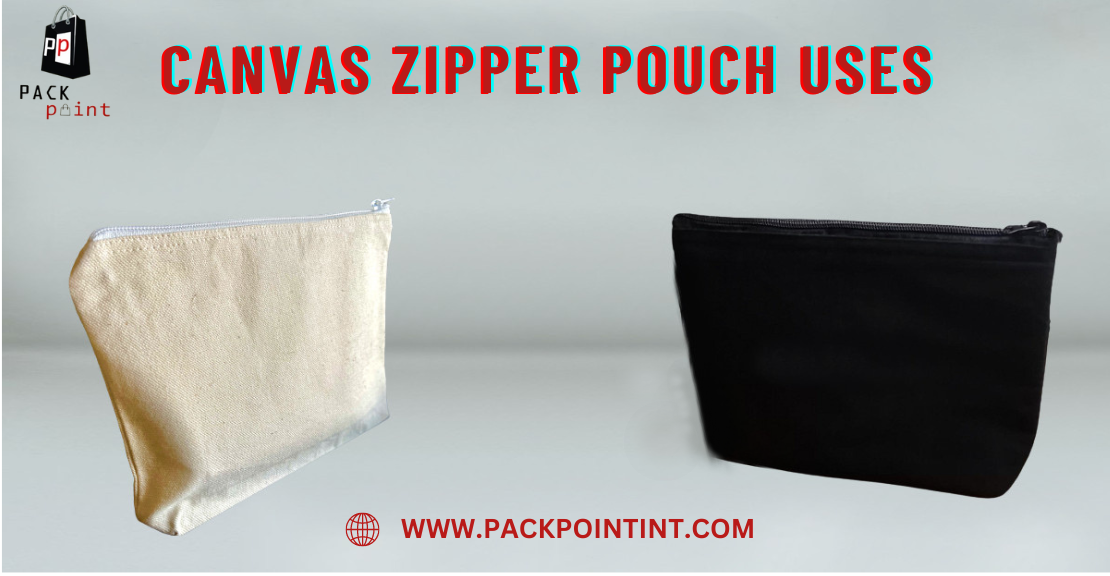
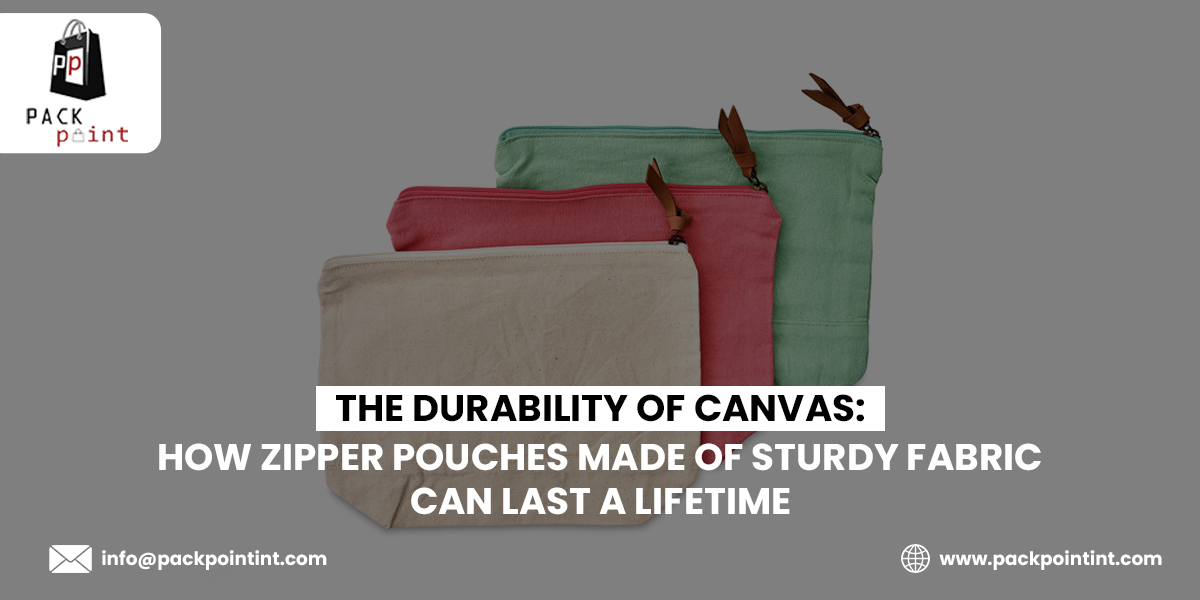
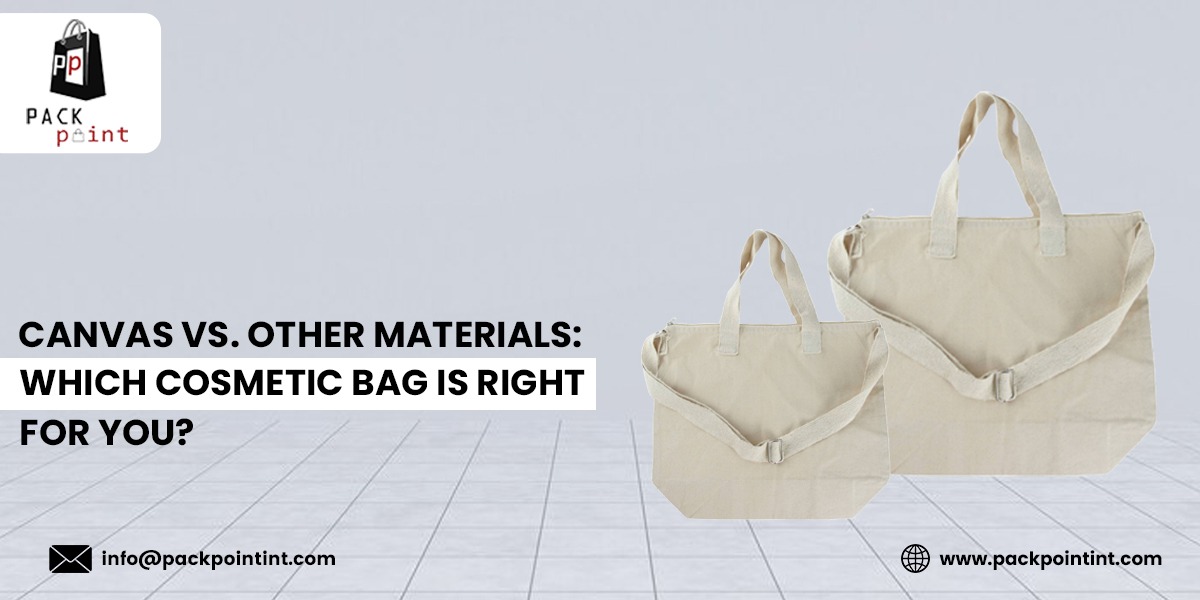
Canvas is a popular choice for cosmetic bags due to its durability and aesthetic appeal. This heavy-duty fabric is known for its strength, making it ideal for daily use and travel.
Additionally, it can withstand all kinds of the wear and tear of being tossed into a suitcase or gym bag, ensuring that your cosmetics are always safe. Not to mention that canvas is a natural material, often made from cotton or hemp. This composition makes it a more sustainable choice compared to synthetic fabrics.
Canvas cosmetic bags are well suited for brands looking for a durable and versatile packaging option. Their sturdy fabric construction makes them suitable for everyday makeup storage, travel kits, promotional products, and branded beauty collections.
For businesses, canvas cosmetic bags also provide a practical surface for branding. Logos, artwork, and other brand elements can be added through different printing and decoration methods, giving brands flexibility when developing a custom cosmetic bag collection.
Canvas also works well for brands focused on reusable packaging. Customers can continue using the bag after purchasing or receiving cosmetics, which gives the product value beyond its original purpose.
Muslin vs Canvas Bags: Which Material Is Better?
Muslin and canvas are both fabric-based materials, but they serve different purposes. Canvas is generally heavier and more structured, while muslin has a lighter and softer construction.
For cosmetic bags that need more structure and resistance to regular handling, canvas offers a sturdy option. Muslin suits lightweight packaging, simple drawstring designs, and applications where breathability and a soft fabric feel are important.
Canvas also provides a stronger surface for structured cosmetic bag designs and branded applications. Muslin is often preferred for lightweight reusable packaging and simple product presentation.
When choosing between muslin and canvas, consider the bag’s intended use, required structure, weight, branding requirements, and expected level of daily handling. Canvas is suited to structured cosmetic bags, while muslin is a useful option for lightweight fabric packaging.
2. Nylon Cosmetic Bags
Nylon is another popular material for cosmetic bags. It is known for its lightweight and water-resistant properties, which are particularly useful if you’re concerned about protecting your cosmetics from spills.
3. Polyester Cosmetic Bags
When it comes to versatility, polyester is best. It is commonly used in cosmetic bags due to its durability and ease of maintenance. However, this is not its lone feature, as this material is also available in a wide range of colors and patterns. Therefore, it is quite easy to get a polyester makeup bag that suits your brand image.
Polyester vs Canvas Bags: Which Is Better for Cosmetic Bags?
Polyester and canvas are both suitable materials for cosmetic bags, but they offer different characteristics. Canvas has a heavier, more structured feel, while polyester is lightweight and offers greater flexibility in colors and patterns.
For brands prioritizing a sturdy fabric with a natural appearance, canvas is a practical option. Polyester suits brands looking for lightweight bags with easy maintenance and a wide range of design options.
Canvas is also associated with reusable and natural-fiber product lines, while polyester provides strong resistance to everyday wear and moisture. Your choice should depend on the intended use, branding requirements, and the overall product style.
For travel-focused cosmetic bags where weight and easy maintenance matter, polyester offers useful benefits. For branded cosmetic bags where a substantial fabric feel and reusable positioning are important, canvas offers a suitable alternative.
4. Acrylic Cosmetic Bags
Acrylic is a budget-friendly material that offers a stylish appearance. While not as durable as canvas or nylon, it’s a great option if you’re looking for a fashionable cosmetic bag without breaking the bank.
5. Vinyl Cosmetic Bags
Vinyl is a synthetic material that is completely waterproof. This feature makes it an excellent choice for a cosmetic bag if you’re particularly concerned about spills and moisture.
6. Cotton Cosmetic Bags
Cotton is a natural fabric that’s breathable and soft, making it a comfortable and eco-friendly choice for a cosmetic bag. However, it may not offer the same level of protection against spills as other materials.
7. Silk Cosmetic Bags
Silk is seen as a luxurious fabric that adds an element of sophistication to your cosmetic bag. However, it’s not as durable as other materials and may require more careful handling.
8. Faux Leather Cosmetic Bags
Faux leather offers the look and feel of real leather without the high price tag. It’s a durable material that can withstand daily use, making it a great choice for a cosmetic bag.
The Ultimate Cosmetic Bag Materials Comparison
Now that we’ve explored the different materials available for cosmetic bags, it’s time to compare them to help you choose the right one. Being a global bag custom bag manufacturer, we put together all our resources to compile all the facts and figures so that you can get an accurate comparison.
The best cosmetic bag material depends on your personal preferences, including durability, water resistance, ease of cleaning, and aesthetic appeal. Since aesthetic appeal is fully subjective, we will compare all materials based on objective features.
Durability Comparison Chart
Material |
Durability |
| Canvas | It is both highly durable and wear-resistant. |
| Nylon | It is strong and lightweight, offering good durability. |
| Polyester | It is durable and long-lasting, similar to canvas. |
| Acrylic | It is less durable and may show signs of wear over time. |
| Vinyl | It is durable and waterproof, ideal for protecting against spills. |
| Cotton | It is not as durable as synthetic materials, but it is breathable and eco-friendly. |
| Silk | It is delicate and requires careful handling. |
| Faux Leather | It is durable and stylish. Plus, it is a good alternative to real leather. |
Water Resistance Comparison Chart
Material |
Water Resistance |
| Canvas | It is water-resistant when treated but not waterproof. |
| Nylon | It is naturally water-resistant and protects against spills. |
| Polyester | It offers good water resistance, similar to nylon. |
| Acrylic | It is somewhat water-resistant but not waterproof. |
| Vinyl | It is completely waterproof and ideal for preventing spills. |
| Cotton | It is not water-resistant but breathable. |
| Silk | It is not water-resistant and requires careful maintenance. |
| Faux Leather | It is Water-resistant, similar to real leather. |
Ease of Cleaning Comparison Chart
Material |
Ease of Cleaning |
| Canvas | It can be spot-cleaned or washed, but it may require more effort than synthetic materials. |
| Nylon | It is low maintenance and can be cleaned easily with a damp cloth. |
| Polyester | It is easy to wipe down, similar to nylon. |
| Acrylic | It is easy to clean but may show wear over time. |
| Vinyl | It can be wiped to clean easily and is very low maintenance. |
| Cotton | It is machine washable but may shrink or fade over time. |
| Silk | It requires delicate cleaning and may not be as easy to maintain. |
| Faux Leather | It is easy to wipe down and low maintenance. |
To Wrap Up
Choosing the best cosmetic bag material depends on your specific needs and preferences. After this comprehensive comparison, it’s clear that each material offers unique benefits, whether you prioritize durability, water resistance, ease of cleaning, or aesthetic appeal.
Remember, the ideal cosmetic bag isn’t just about function; it’s also a reflection of your personal style and values. If sustainability is your priority as a business, natural fibers like canvas or cotton might be the right choice for you. If your brand is aiming more towards durability, then materials like nylon, polyester, or faux leather could be more up your alley.
Ultimately, the right cosmetic bag will not only meet the practical needs of your customers but also align with your brand values. So take your time, compare your options, and choose a cosmetic bag that truly suits you.
If you are looking for more custom brand products, Pack Point International is the top tote bag manufacturer across the globe. Just give us a ring!