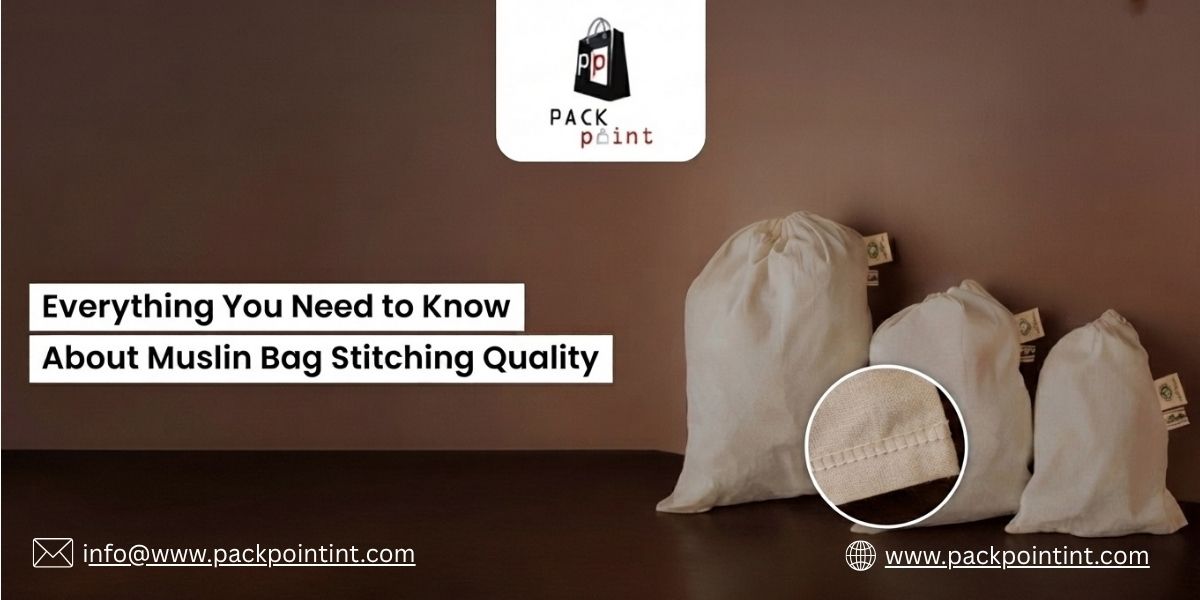
Packaging says a lot about a brand before a customer even opens the box. Muslin bags have become a go-to option for businesses that want packaging that feels natural and lasts beyond a single use. What separates a bag that holds up for years from one that falls apart after a few washes is the stitching.
Reusable muslin bags only earn that name when the seams are built to survive repeated handling. This guide looks at what solid stitching actually looks like, the mistakes that weaken a bag over time, and simple ways to check quality before placing a large order.
What Good Stitching Looks Like
Strong stitching is not something you notice right away, but it shows up the moment a bag is used often.
- Straight and Even Seam Lines
A well-sewn muslin bag has seams that run in a straight, consistent line from start to finish. Wavy or uneven stitching usually points to rushed production or an inexperienced operator. A seam that drifts off course tends to weaken more quickly once the bag is filled and handled.
- Tight Stitch Density
More stitches per inch mean a stronger seam. Loose spacing between stitches leaves gaps where fabric can pull apart under pressure or weight. A tighter stitch pattern spreads that pressure across more points, so no single spot takes all the strain.
- Reinforced Drawstring Channels
The channel that holds the drawstring is subject to constant pulling and tugging. A double-stitched channel keeps this area from splitting open after repeated use. This part of the bag wears out first when it only gets a single pass of stitching.
- Bar-Tacked Stress Points
Corners and cord exits are the most strained parts of any bag. Bar tacking adds extra thread density at these points so they do not tear loose. Without it, small holes can form early and spread across the seam over time.
- Clean Thread Trims
Loose threads hanging from a seam are a sign of a rushed finishing process. Clean trims give the bag a neat look and prevent unraveling later. A bag with stray threads at delivery is often a sign that other steps were rushed too.
- No Puckering Along Seams
Puckered fabric along a seam means the tension on the sewing machine was off. Flat, smooth seams hold their shape wash after wash. Puckering can also point to fabric that was fed unevenly during production, which raises the risk of uneven wear.
Common Stitching Mistakes That Hurt Bag Durability
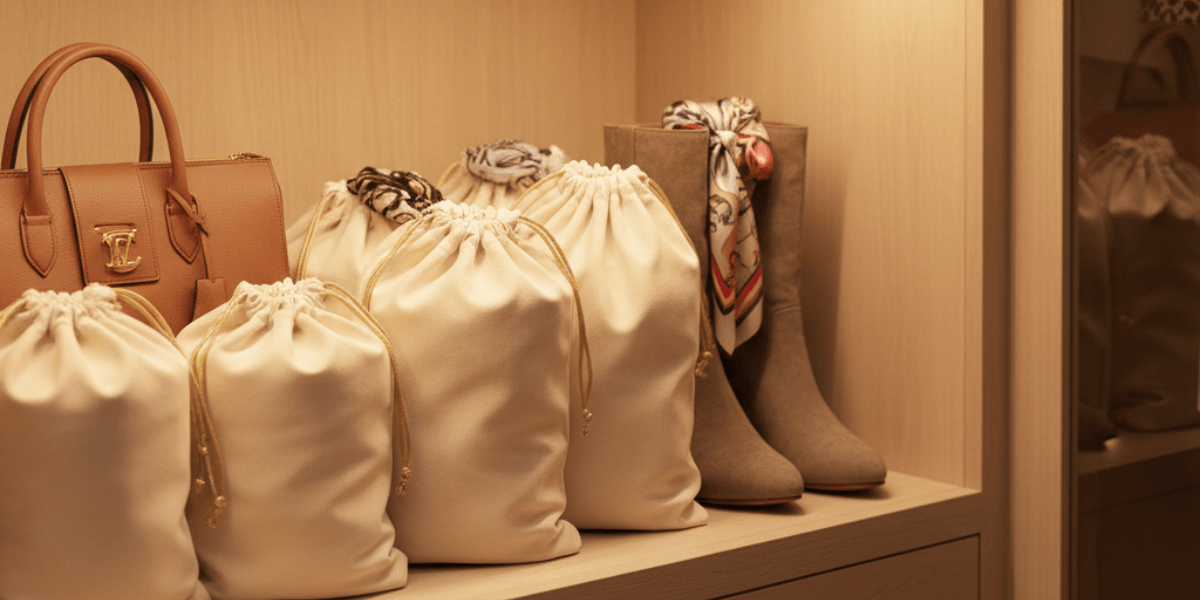
Even high-quality fabric cannot protect a bag if the stitching underneath is weak. Proper muslin bag stitching is important for creating durable bags that can withstand regular use.
- Loose or Skipped Stitches
Skipped stitches create small gaps that widen every time the bag is filled or washed. Over time, this turns into a full seam failure. A bag with skipped stitches rarely lasts through more than a handful of uses.
- Single-Layer Seams on Heavy Bags
Bags meant to carry grains, linens, or bulk items need more than one layer of stitching at the seams. A single pass rarely holds up under regular weight. Adding a second row of stitching along the same seam spreads the load and slows down wear.
- Weak Drawstring Attachment
If the cord is only tacked at one point, it slips out with normal use. A secure attachment spreads the pulling force across a wider area of fabric. Bags with this flaw usually show damage at the top edge long before the rest of the bag wears out.
Businesses sourcing bags in bulk should always request a sample before committing to a large order. As a dedicated tote bag manufacturer, Pack Point International offers sample checks for buyers who want to inspect seam strength before placing a wholesale order. Contact us today to place your order!
Tips for Checking Stitching Quality Before You Order
A little inspection before placing an order saves a lot of trouble later.
- Request an actual sample instead of judging quality from product photos.
- Feel the fabric weight alongside the stitching before committing to a full batch.
- Pull gently on the seams and drawstring channel to check for give or loosening.
- Watch for shifting or gapping, since the same issue will likely repeat across the order.
- Count the stitches along a straight section of seam, since a tighter count signals a stronger finish.
- Compare a handful of bags from the same batch to confirm the stitching is consistent, not just strong on one piece.
Final Thoughts
A seam does not announce itself the way a print design or a logo does, yet it decides how long everything else gets to be seen. Reusable muslin bags earn their name one wash and one refill at a time, and that only happens when the thread underneath was never an afterthought. Stitch density, reinforced channels, and clean finishing are the quiet details that turn a simple cotton pouch into something a customer keeps reaching for long after the first use. Get those details right, and the bag does the rest of the talking on its own.
Pack Point International produces custom muslin bags with reinforced seams built for long-term, everyday use. Reach out today to review current wholesale muslin bag options that meet your quality standards