Choosing the right printing technique for custom dust bags can make a big difference in how a brand is presented. Dust bags protect products and also act as a subtle tool to carry a logo or message. Picking the best method helps make the design durable, attractive, and suited to the type of fabric being used.
This guide looks at three popular fabric printing methods that are commonly used for custom dust bags and similar products.
Before comparing the techniques, it helps to understand a few basics about printing on fabric. The right printing method depends on fabric type, design detail, budget, and how the dust bag will be used. Some methods are better for large, simple designs. Others do well with fine detail and textured effects. Picking the best choice helps ensure the end product looks professional and lasts through everyday use.
Embroidery Basics
Embroidery involves stitching thread directly onto fabric to produce a raised and durable design. It adds texture and durability, making dust bags look premium while withstanding frequent use and handling.
· Advantages of Embroidery
Embroidery creates a tactile, high-quality finish that stands out. It is durable and maintains its appearance over time, making it ideal for dust bags used frequently or carried in luggage.
· Design Considerations
Embroidery works best for simple to moderate designs. Fine text or very small details may not show clearly. Logos with thicker lines or shapes achieve the cleanest, most professional look.
· Fabric Suitability
Embroidery performs well on cotton, linen, and heavier fabrics. These materials handle repeated stitching without stretching or puckering, ensuring designs remain precise and maintain a premium appearance over time.
Screen Printing on Fabric
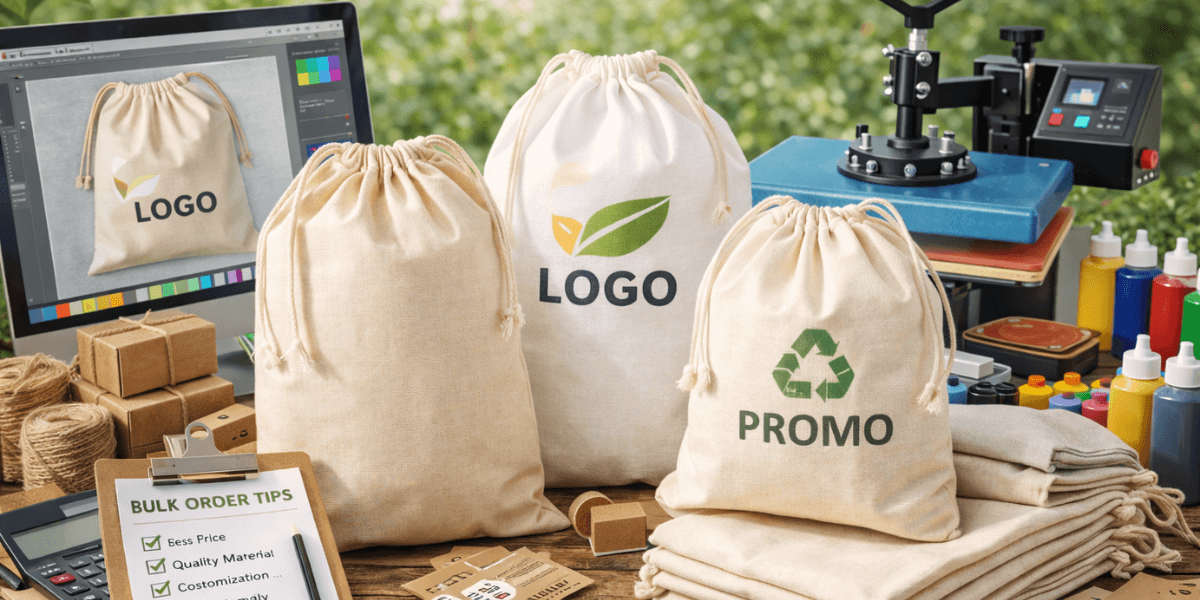
Screen printing on fabric is a popular choice for simple and bold designs. This method pushes ink through a mesh screen onto the fabric. Each color requires its own screen. The ink sits on top of the material and absorbs slightly, producing smooth, flat graphics. Screen printing delivers consistent color and works well for larger production runs of dust bags with the same design.
· Advantages of Screen Printing
Screen printing provides vibrant, long-lasting colors that hold up well over time. It works especially well for bold logos and simple shapes. The process creates clean, even results that maintain consistency across large batches of dust bags.
· Ideal Designs for Screen Printing
This technique works best with designs that have limited colors and simple graphics. It is less effective for highly detailed or intricate patterns. Solid logos, text, and basic shapes produce the clearest results.
· Cost and Production Considerations
Screen printing can be cost-effective for larger quantities because each color screen can be reused. Setup costs exist for the screens, but unit costs drop with higher production. This makes it a practical choice for bulk orders of branded dust bags by Pack Point International, ensuring high-quality prints and lasting brand visibility.
Heat Transfer Printing
Heat transfer printing employs high temperatures to move designs from specialized paper to fabric. It allows complex, full-color graphics and works well for smaller production runs without the need for screens or stitching.
· Advantages of Heat Transfer
Heat transfer enables vibrant, detailed, full-color designs, including photos and gradients. It provides flexibility for small runs and ensures consistent, clear prints on dust bags and other fabric products.
· Ideal Designs for Heat Transfer
This method suits intricate designs with multiple colors or gradients. Complex artwork, logos, or photographic images maintain clarity and sharpness, making them ideal for visually rich custom dust bags.
· Durability and Fabric Compatibility
Heat transfer prints sit on the fabric surface. Quality depends on material and bonding. High-quality transfers last through multiple washes, while low-quality transfers may fade, crack, or peel over time.
Comparing the Techniques
When choosing among embroidery, screen printing, and heat transfer, it helps to look at key factors like durability, cost, and design capability. The heat transfer vs screen printing quality comparison shows that each method has strengths. Screen printing creates vibrant, consistent color that holds up well over time. Heat transfer allows for complex, full-color designs that remain clear and precise on the fabric surface.
A side-by-side comparison of screen printing vs embroidery shows that they appeal to different needs. Embroidery gives a textured, upscale look with raised stitching. It works especially well for simple text and logos on thicker fabrics. Screen printing gives a flat, bold print that can handle strong colors and simple graphic elements. It also fits well with larger orders that keep costs lower.
Final Thoughts
Choosing the right printing technique for custom dust bags depends on design, fabric, production size, and budget. Embroidery gives a textured, durable look. Screen printing provides bold, consistent colors, while heat transfer allows detailed, full-color designs for smaller runs. Each method supports high-quality dust bags that protect products and showcase a brand’s craftsmanship and visual identity.
For brands looking to make a lasting impression, Pack Point International offers expert printing on custom bags for business and product accessories. Our experience with embroidery, screen printing, and heat transfer ensures designs come out crisp, durable, and aligned with brand vision.
Gohar Gulzar brings extensive experience in marketing and a deep passion for branding content that resonates with the public. With a proven track record across diverse campaigns, Gohar excels at crafting compelling narratives, developing cohesive brand voices, and aligning messaging with audience needs.