The widespread environmental effects of single-use plastics have spurred a global shift in favor of more sustainable substitutes in recent years. Using cotton zip bags is one such substitute that is gaining popularity; it is a strong and environmentally responsible choice. In this blog, we will examine the several environmental benefits of cotton bags over conventional plastic bags. Let’s dive in!
Plastics’ ease of usage, particularly with single-use items, has cost the earth dearly. Plastic pollution has negative environmental effects that go from landfills to the ocean, impacting marine life, ecosystems, and human health. The problem is made worse by plastic bags’ protracted environmental life, which takes hundreds of years to break down and leak dangerous chemicals into the ground and water.
Cotton Zipper Bags: A Sustainable Solution
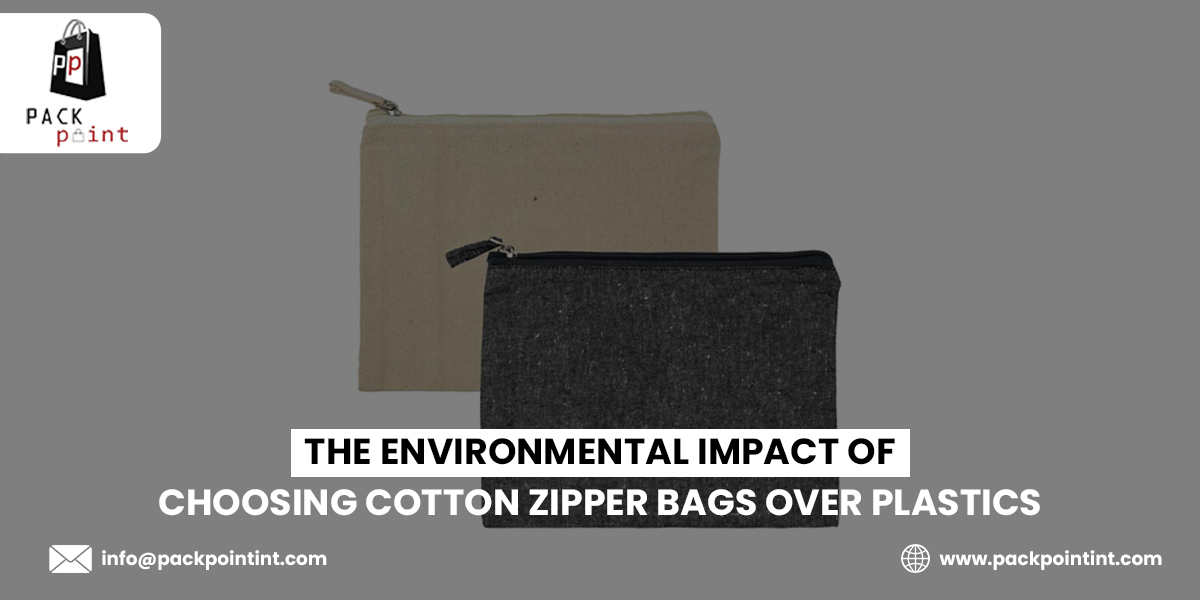
Sustainable zipper bags are a viable substitute that not only provides functionality and robustness but also makes a beneficial impact on environmental preservation. Let us take a closer look at each of their eco-friendly attributes:
1. Biodegradability
The biodegradability of cotton zip bags is one of their biggest benefits. Cotton bags decompose spontaneously over time, returning to the environment unharmed. This is not the case with plastic bags. This feature significantly lessens the long-term effects on ecosystems and landfills, easing the environmental load that plastics have on the environment.
2. Renewable Resource
The main component of these bags is cotton, which is a renewable resource. In contrast to the fossil fuels used to produce plastic, cotton can be harvested and grown every year. Lowering reliance on finite resources and the entire carbon footprint connected with bag production encourages a more sustainable and circular economy.
1. Reduced Energy Consumption
Significant energy is required in the creation of plastic bags, which increases carbon emissions and degrades the environment. Although the environmental impact of a cotton bag is low, it often requires less energy to manufacture. Furthermore, improvements in ecologically friendly agricultural methods and the growth of organic cotton production reduce the overall environmental impact even more, which attracts people who care about the environment to choose these bags.
2. Minimal Chemical Use
Pesticides and fertilizers may be used during cotton cultivation, but this has a much lower effect than during the petrochemical processes that produce plastic. Choosing organic cotton zip bags reduces or eliminates the usage of dangerous chemicals, improving ecosystem health, decreasing soil contamination, and lowering the possibility of water pollution.
3. Durability and Reusability
Cotton zip bags are known for being strong and resilient, able to resist numerous usages. Compared to single-use plastic bags, which frequently rip or tear after only a few uses, this is in sharp contrast. People may drastically cut back on their overall consumption by switching to reusable cotton bags, which will also greatly reduce the amount of garbage produced. Cotton bags are a practical option for customers due to their durability and reusability, but they also significantly lessen the need for single-use plastics.
Understanding the Environmental Impact of Cotton Bags
The environmental impact of cotton bags depends on how cotton is grown, how the bags are manufactured, how often they are reused, and what happens to them at the end of their useful life. Cotton is a natural fiber, but producing cotton still requires agricultural resources such as water, land, and energy.
Repeated use is an important part of the environmental equation. A durable cotton bag used many times spreads the resources involved in its production across a longer period of use. Responsible cotton sourcing, efficient manufacturing, and proper end-of-life handling further support a lower-impact bag lifecycle.
Cotton Tote Bag Environmental Impact
Cotton tote bags have an environmental impact throughout their lifecycle, from cotton cultivation and fabric production to manufacturing, transportation, use, and disposal. Their environmental profile therefore depends on more than the material alone.
The number of times a cotton tote bag gets reused also matters. Regular use for shopping, work, travel, events, or storage extends the useful life of the bag and reduces the need to replace it frequently. Choosing durable construction and responsible sourcing also supports more sustainable use.
Environmental Benefits of Cotton Tote Bags
Cotton tote bags offer several environmental benefits when they are used repeatedly and sourced responsibly. Cotton is a natural fiber, and reusable totes provide an alternative to disposable shopping bags for many everyday applications.
Key benefits include:
Reusable construction supports repeated use.
Natural cotton fiber provides a plant-based material option.
Durable bags help reduce frequent replacement.
Reusable totes support shopping, work, travel, and event applications.
Cotton bags have end-of-life options suited to natural-fiber products, depending on construction and local waste facilities.
The environmental value of a cotton tote increases when you keep using the same bag over an extended period.
What Is the Environmental Impact of Tote Bags?
The environmental impact of a tote bag depends on its material, manufacturing process, transportation, frequency of reuse, cleaning requirements, and end-of-life treatment. A reusable tote is not automatically low impact simply because it is reusable. Its environmental value depends heavily on how often and how long you use the bag.
Cotton, canvas, recycled fibers, and other tote materials each have different production requirements. For businesses and consumers comparing tote bags, looking at material sourcing, durability, expected number of uses, and disposal options gives a more complete picture than focusing on material type alone.
Are Cotton Tote Bags Sustainable?
Cotton tote bags support sustainable use when they are durable, reused frequently, and sourced through responsible production practices. Their sustainability depends on the complete lifecycle rather than the cotton material alone.
Before choosing a cotton tote, consider its fabric quality, expected lifespan, production practices, and intended frequency of use. A tote used repeatedly for shopping, work, events, or everyday carrying provides more value from the resources used to produce the bag.
Why Is Cotton a Good Choice for a Cloth Bag?
Cotton is widely used for cloth bags because the fiber provides a combination of softness, flexibility, and durability. Cotton fabric also works well with different bag designs and printing methods, making it suitable for everyday bags as well as branded packaging.
For reusable bags, fabric strength and construction are important because repeated use places more demands on the bag. A well-made cotton cloth bag works for shopping, events, promotional campaigns, storage, and everyday carrying while offering a reusable alternative to disposable packaging.
The Ripple Effect
The switch from plastic to cotton zip bags affects society and the environment more broadly than personal preferences. Actively selecting sustainable options by consumers drives up demand for eco-friendly goods and forces producers to give environmental responsibility a top priority. Businesses and governments both have important responsibilities to play in promoting a sustainable transition. Enacting laws that forbid the use of single-use plastics and provide incentives for the adoption of environmentally friendly substitutes can have a beneficial knock-on effect on the whole community.
Overcoming Challenges
Although cotton zipper bags are a more environmentally friendly option, there are issues with their production that need to be recognized and resolved. It is imperative to prioritize sustainable farming methods, equitable labor standards, and responsible sourcing to guarantee that the ecological advantages of cotton bags are not eclipsed by moral dilemmas. Supporting ethical and sustainable production methods for cotton zip bags allows consumers to make a wholesome contribution to environmental conservation.
Wrapping It Up
To sum up, the environmental benefits of selecting cotton zip bags over plastic ones signify a big step in the direction of a more responsible and sustainable future. It is essential to adopt substitutes that put biodegradability, renewable resources, and lower energy usage first in order to lessen the impact of our daily decisions on the environment.
Although it is acknowledged that there is no one solution that can fully address the problems caused by plastic pollution, the increasing use of environmentally friendly substitutes, such as cotton zipper bags, represents a constructive change in consumer behavior. By making thoughtful choices and consuming responsibly, we can help create a healthy world for present and future generations. The decision is simple as we stand at a crossroads in environmental stewardship.
Cotton zip bags promote a circular economy that is good for the environment and people, opening the door to a more sustainable and peaceful coexistence with our planet. If you are looking to join the sustainability revolution and looking for some custom bags for business, Pack Point International has got you covered. Explore our website, or get in touch to learn more!
Gohar Gulzar brings extensive experience in marketing and a deep passion for branding content that resonates with the public. With a proven track record across diverse campaigns, Gohar excels at crafting compelling narratives, developing cohesive brand voices, and aligning messaging with audience needs.